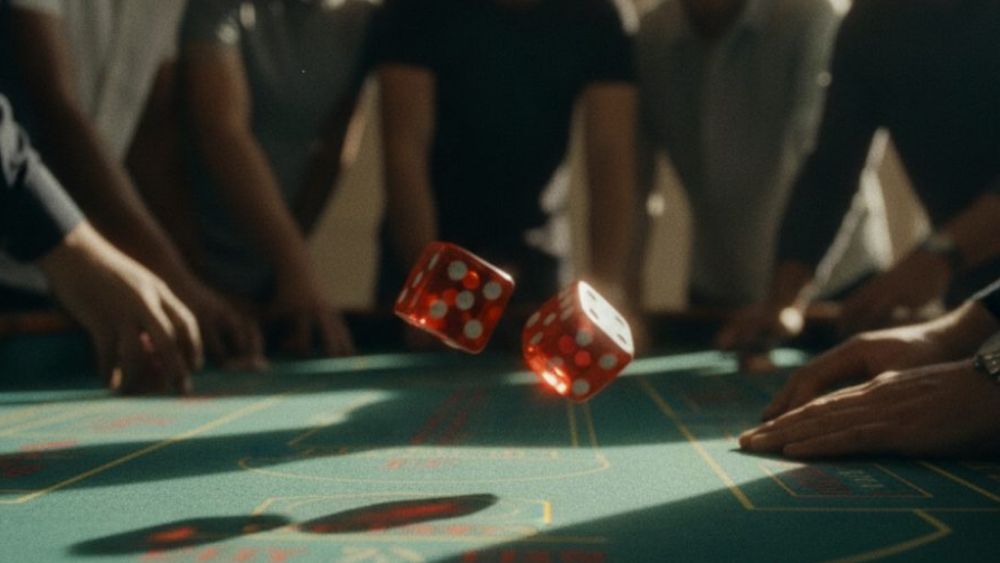
Why Responsible Gambling Matters for Filipino Beginners
You've probably seen the bright lights of Solaire, City of Dreams, or the endless ads for online casinos on your feed. It's easy to get swept up in the excitement. But here's the thing: casino games are designed to be entertaining, not to pay your bills. If you're new to this, the smartest move is to learn how to manage your play before you even place your first bet.
In the Philippines, gambling is regulated by PAGCOR, and while land-based and online casinos are legal, that doesn't mean they're risk-free. The thrill of a potential win can quickly turn into chasing losses if you're not careful. Responsible gambling is not about spoiling the fun—it's about protecting your wallet and your peace of mind so you can enjoy the game without regret.
This guide is for beginners who want to keep things light and enjoyable. We'll cover practical tips that you can apply right away, whether you're playing at a physical casino in Manila or betting on your phone during a break.
Set a Budget Before You Play—And Stick to It
The number one rule of responsible gambling is simple: never bet more than you can afford to lose. Before you deposit a single peso, decide on a fixed amount that you're comfortable parting with. This is your entertainment budget, just like you'd set aside for a movie or a night out.
How to set a realistic budget
- Look at your disposable income. After bills, savings, and essentials, how much extra do you have? That's your ceiling.
- Use a separate wallet or account. For online casinos, load only your budgeted amount into an e-wallet like GCash or Maya. When it's gone, it's gone.
- Never use credit. Borrowing money to gamble is a red flag. If you don't have cash, don't play.
Once you've set your budget, treat it as a hard limit. If you lose it, stop. If you win, don't immediately re-bet your winnings—consider cashing out at least your initial deposit.
“A good rule of thumb: if losing that amount would affect your rent, groceries, or family needs, it's too much.”
Time Limits: The Clock Is Your Friend
Time flies when you're having fun, especially in a casino with no windows or clocks. Before you know it, hours have passed, and you've played far longer than you intended. Setting a time limit is just as important as setting a money limit.
Decide in advance how long you'll play. For example, 30 minutes for online slots or two hours for a land-based casino visit. Use your phone's timer to keep track. When it goes off, wrap up your session, even if you're on a winning streak. The games will still be there tomorrow.
Also, take regular breaks. Stand up, stretch, grab a drink of water. This helps you stay clear-headed and avoid making impulsive decisions. If you're playing online, use the site's session reminder feature if available—many reputable casinos offer this.
Don't Chase Losses—Walk Away
One of the most common traps for beginners is chasing losses. You lose a few rounds, then think, “Just one more bet and I'll win it back.” That's how a small loss becomes a big one. The house always has an edge, and no strategy can guarantee a win.
If you hit your loss limit, stop. Accept that the money is gone and treat it as the cost of entertainment. Chasing losses is the fastest way to turn a fun night into a financial headache. Remember, gambling is not an investment—it's a game of chance.
If you find yourself constantly thinking about winning back money, take a step back. It might be a sign to take a longer break or seek support.
Know the Games and Their Odds
Understanding the games you play helps you make smarter choices and avoid nasty surprises. Not all casino games are created equal—some have better odds for the player than others.
Common games and their typical house edge
- Blackjack: House edge can be as low as 0.5% with basic strategy.
- Baccarat: Betting on the banker has a house edge of about 1.06%.
- Slots: House edge varies widely, often between 2% and 10% or more.
- Roulette: European roulette has a 2.7% house edge; American roulette 5.26%.
Choose games with lower house edges if you want your money to last longer. Also, learn the rules before betting real money. Many online casinos offer free play modes—use them to practice.
Warning Signs of Problem Gambling
Responsible gambling means recognizing when play is no longer fun. Here are some red flags to watch out for in yourself or a friend:
- Betting more than you planned, more often than you planned.
- Lying about how much you gamble or hiding it from family.
- Borrowing money or selling possessions to gamble.
- Neglecting work, school, or family responsibilities.
- Feeling anxious, irritable, or depressed when not gambling.
- Chasing losses and never being able to stop.
If you notice any of these, it's time to take a break. In the Philippines, you can reach out to PAGCOR's responsible gambling program or seek help from organizations like the National Center for Mental Health. Many online casinos also offer self-exclusion tools—use them if you need to step away.
Tools and Resources for Filipino Players
There are practical tools to help you stay in control. For online gambling, set deposit limits, loss limits, and session reminders. Most PAGCOR-licensed sites provide these features in your account settings. Use them.
If you prefer land-based casinos, take only cash and leave your ATM cards at home. Set a reminder on your phone to check in with yourself every hour. And don't be afraid to ask casino staff about responsible gambling resources—they're there to help.
Finally, talk to someone you trust. Sharing your limits with a friend or family member can keep you accountable. Gambling should be a social, enjoyable activity—not a secret burden.
Remember, the goal is to have fun. If it stops being fun, stop playing. Your mental and financial well-being always come first.