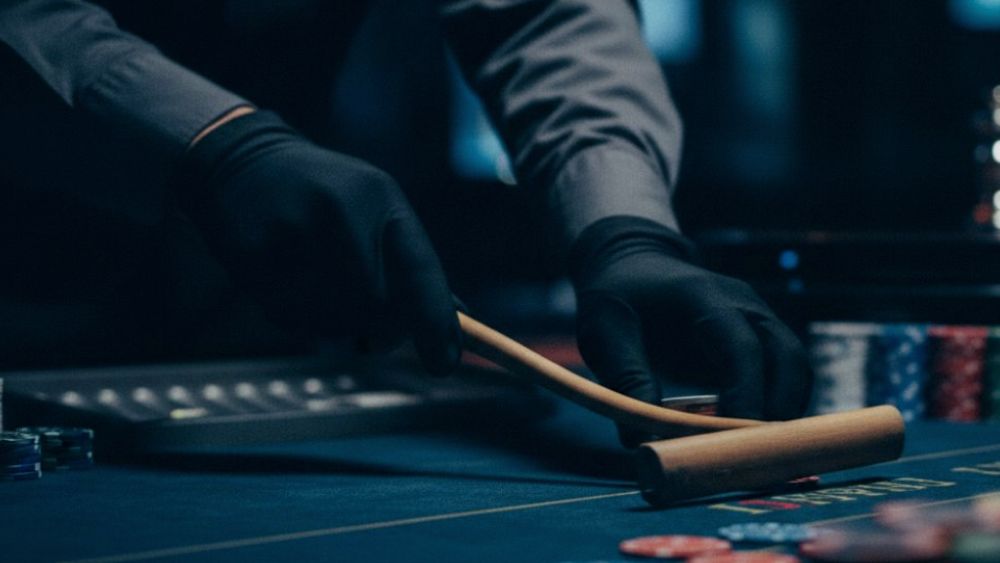
Myth 1: The Dealer Shuffles However They Want
You sit down at a barangay hall game in Quezon City, and the host's cousin starts shuffling like he's mixing adobo. Cards fly, one flips face-up, and he keeps going. Nobody says a word. That's not etiquette—that's a tell that the table has no standards.
Fact: The dealer must shuffle in a consistent, verifiable way. In home games, the standard is a riffle shuffle followed by a strip cut and a final cut. If a card flips during the shuffle, it's a misdeal only if it happens before the cut. After the cut, a flipped card is just a dead card—it gets replaced from the stub, not reshuffled.
Here's what most beginners miss: the player to the dealer's right must cut the deck. In Philippine home games, that's often skipped because everyone trusts the host. But trust isn't the issue—procedure is. A clean cut protects the dealer from suspicion and keeps the game moving.
"If you wouldn't play a hand without looking at your cards, don't play a hand without a proper cut."
One more thing: never shuffle chips while someone is dealing. It's not just annoying—it's a distraction that can hide a bottom deal. Keep your hands visible and still during the deal.
Myth 2: You Can Talk About Your Folded Hand
This is the biggest leak in Filipino home games. You fold 7-2 offsuit, then announce, "Ang pangit ng cards ko" while the hand is still live. Congratulations—you just gave the remaining players free information.
Fact: Once you fold, you're out of the hand. You cannot comment on the cards you held, the cards on the board, or what you think someone else has. This is called "talking about a live hand," and in a regulated poker room, it's a penalty—often a one-round sit-out or a dead-hand ruling.
At home, enforce it with a simple rule: folded players keep their mouths shut until the pot is pushed. If you want to discuss strategy, do it after the hand. Not during.
Why does this matter for beginners? Because home games are where you build habits. If you learn to chatter during hands, you'll do it in a casino and get warned. The Philippine Amusement and Gaming Corporation (PAGCOR) regulates poker rooms at Casino Filipino branches, and their house rules on player conduct are strict. You don't want to learn that lesson with a 5,000-peso pot on the line.
Myth 3: The Big Blind Can Check When Everyone Folds
You're in the big blind. Everyone folds to the small blind, who also folds. You reach for the pot and say, "Okay, I win." Then someone says, "Wait, you have to check first."
Fact: If all players fold to the big blind, the big blind wins the pot without a showdown. No check is required. The hand is over. This is true in every poker variant—Texas Hold'em, Omaha, even Five-Card Draw.
The confusion comes from the rule that the big blind has the option to check or raise if the small blind calls. But if the small blind folds, there's no action left. The big blind wins by default.
Here's the etiquette part: don't slow-roll the win. If you're the big blind and everyone folds, just take the pot. Don't flip your cards to show you had aces. Don't sigh and say, "Sayang." Take the chips, stack them, and move on. Celebrating a walk is bad form.
In home games, this myth leads to arguments. Someone insists the big blind must check, someone else says no, and the next thing you know, the host is googling poker rules on his phone. Settle it before the game: print a one-page house rules sheet. It takes 10 minutes and saves 10 arguments.
Myth 4: You Can Bet After the River If You 'Forget'
The river card hits. You check. Your opponent checks. Then you say, "Oh wait, I meant to bet 500." Too late. The hand is over.
Fact: Once all players have checked on the river, the hand is dead. No betting is allowed. The cards are turned over, and the best hand wins. This is called the "action is closed" rule.
Beginners often think they can retroactively bet if they "forgot" to act. That's not a thing. In a regulated poker room, the dealer would have already mucked the board. At home, you might get away with it once—but you'll be labeled a angleshooter.
Angleshooting is the practice of using technicalities to gain an unfair advantage. In Philippine home games, it's the guy who "accidentally" bets out of turn, then says, "Sorry, I didn't see the raise." Don't be that guy.
If you genuinely lose track of the action, ask the dealer. But don't ask after the river has been checked around. That's not a question—that's a angle.
Myth 5: The Host Can Take a Rake Without Saying So
You play a 500-peso buy-in game. At the end of the night, the host says, "I'm taking 10% of the pot for the house." You didn't agree to that.
Fact: A rake must be disclosed before the game starts. In a regulated setting, PAGCOR-licensed poker rooms publish their rake structure—typically 5% up to a cap of 200 pesos. In home games, if the host wants to cover snacks and drinks, that's fine—but it's a fixed fee, not a percentage of every pot.
The polite way to handle this: agree on a "table fee" before cards are dealt. Common in Metro Manila home games: 100 pesos per player for the night, or 200 pesos if the host provides food and beer. That's not a rake—that's hosting.
If someone insists on raking every pot, ask for the breakdown. How much is going to the house? Is there a bad beat jackpot? Who holds the money? If the answers are vague, walk away. There are plenty of home games in Cebu, Davao, and Manila that don't take a cut.
Remember: a rake changes the math. If you're playing 10/20 blinds with a 5% rake capped at 100 pesos, you need to win bigger pots just to break even. That's fine in a casino with a licence and security. It's not fine in a friend's garage.
Myth 6: You Should Always Show Your Bluff
You win a pot with a bluff. Someone asks, "What did you have?" You show 7-2 offsuit. Everyone laughs. You feel like a legend.
Fact: Showing a bluff is a choice, not an obligation. In fact, in most home games, it's a bad choice. Here's why: every time you show a bluff, you're giving your opponents a free lesson on your betting patterns. Next time you bet big, they'll remember that you bluffed with garbage—and they'll call you down.
The etiquette rule is simple: you only have to show your cards if you're called. If everyone folds, you can muck face-down. If you want to show, show. If you don't, don't. But never show a bluff just to prove you're clever.
In Philippine poker culture, there's a term for players who always show: "showboat." They're the ones who flip their cards dramatically, then say, "Basa mo?" It's fun for a while, but it costs money. The best players at your home game are the ones who muck quietly and stack chips.
One exception: if you're playing a friendly game with beginners, showing a bluff can be a teaching tool. But even then, do it sparingly. You're not running a clinic—you're playing poker.